Why Commercial Small Animal Control Requires Professional Expertise
People searching for commercial small animal control are typically looking to safely and effectively remove pests, with local service providers offering the professional expertise needed for successful results.
Understanding why commercial small animal control requires professional expertise is essential for property owners facing these challenges. Small animals like rodents, raccoons, or squirrels can cause significant damage to buildings, wiring, and stored goods, making swift and effective removal crucial. Engaging experienced local contractors ensures that these issues are handled safely and thoroughly, reducing the risk of recurring problems and potential property damage. Whether managing a retail space, office complex, or industrial site, property owners benefit from the practical knowledge and specialized techniques that local pros bring to the job.
For those exploring solutions to small animal issues, recognizing the importance of professional intervention can save time, effort, and resources in the long run. Proper identification of the species involved and understanding their habits are key to effective control. Local service providers are equipped with the practical skills necessary to address these concerns efficiently, preventing future infestations and safeguarding the property's integrity. Keep reading to learn more about how local experts can support commercial property owners in managing small animal control effectively.
- Commercial building pest inspections - when businesses need to identify and address small animal infestations that could impact operations, local contractors use specialized methods to ensure thorough removal. Wildlife exclusion services - property owners facing ongoing issues with small animals entering structures rely on local service providers to implement effective barriers and prevent future invasions. Damage repair and prevention - after small animals cause structural damage or contamination, local pros assess the situation and provide targeted repairs to restore safety and compliance. Ongoing monitoring solutions - businesses seeking long-term control opt for professional monitoring services that help detect and address small animal activity early. Emergency removal services - urgent situations where small animals pose immediate health or safety risks are handled by local contractors equipped to respond swiftly and effectively.
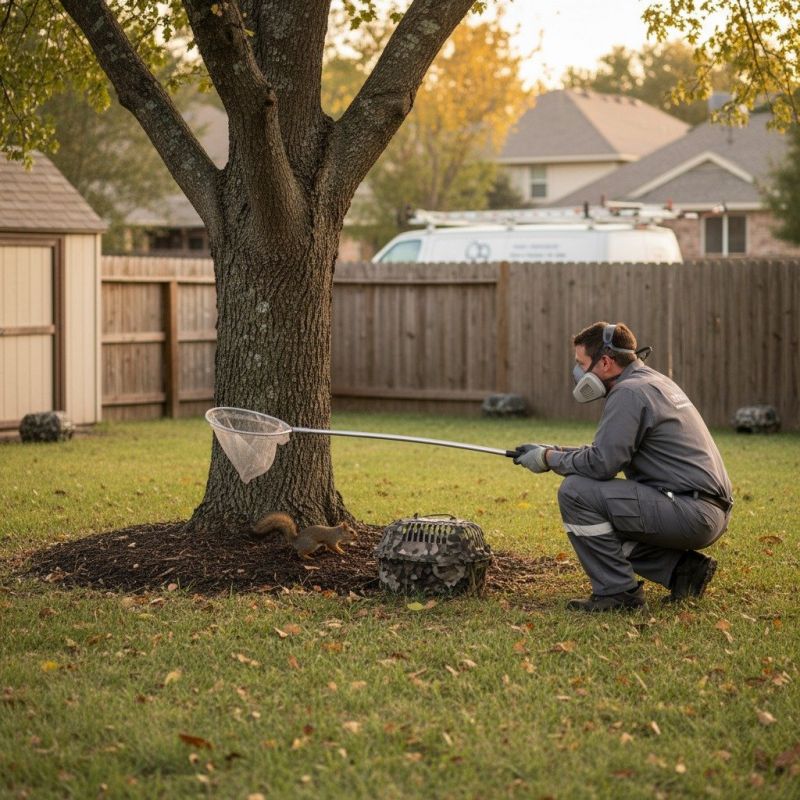
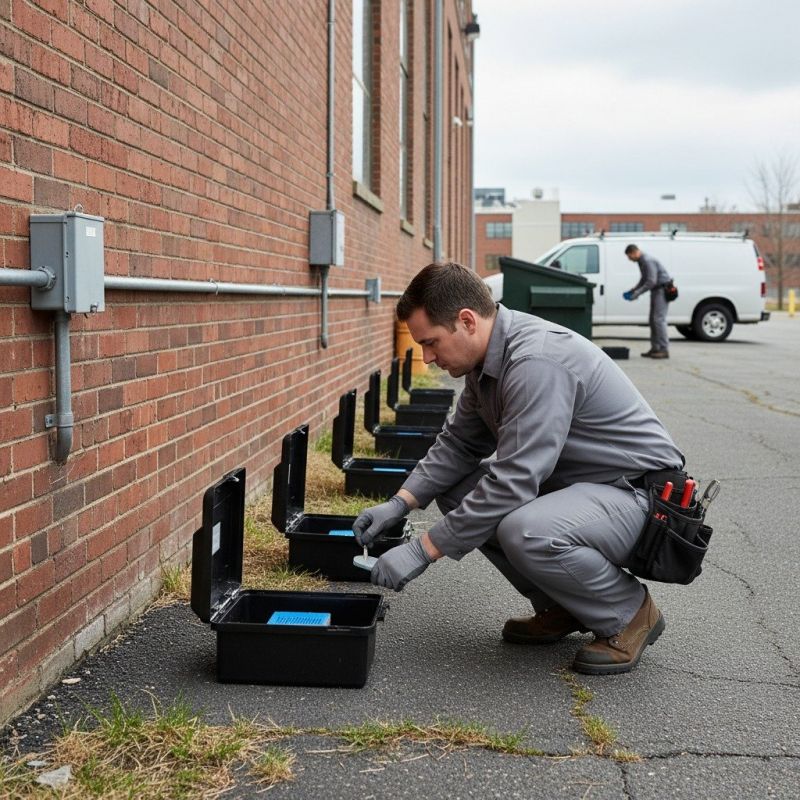
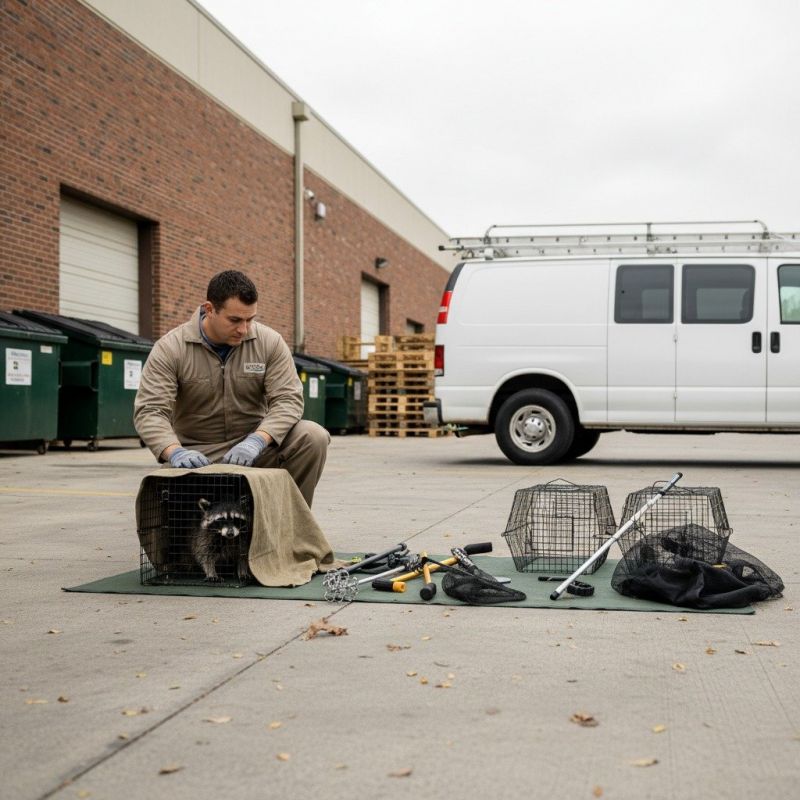
When people search for why commercial small animal control requires professional expertise, they are often trying to understand the complexities involved in managing pests like rodents, raccoons, squirrels, or other small animals that invade business properties. These searches typically stem from experiences with ongoing animal activity, property damage, or health concerns related to these pests. Business owners, property managers, or facility operators want to ensure their commercial spaces remain safe, sanitary, and compliant with regulations, which makes understanding the importance of skilled intervention critical. Recognizing that these issues go beyond simple trapping or deterrent methods is key to appreciating why professional small animal control services are necessary for effective and lasting solutions.
This topic relates to a variety of problems and plans businesses may have regarding pest management. Small animals can cause structural damage by gnawing on wiring, insulation, or building materials, leading to costly repairs or safety hazards. They can also contaminate food storage areas or customer-facing spaces, risking health code violations or reputational damage. Many property owners develop long-term pest management plans that include regular inspections, exclusion techniques, and targeted removal strategies. Implementing these plans effectively requires a deep understanding of animal behaviors, access points, and the most appropriate methods for humane and permanent removal-areas where experienced service providers excel.
The types of properties where commercial small animal control services are often needed include warehouses, retail stores, restaurants, office buildings, and manufacturing facilities. These properties typically feature large, open spaces with accessible areas that small animals can exploit for entry and nesting. Commercial properties with food storage or processing functions are especially vulnerable, as pests can quickly contaminate products and create compliance issues. Additionally, properties with less frequent maintenance or older infrastructure may have more vulnerabilities that attract animals. Local service providers familiar with these property types understand the unique challenges each setting presents and can tailor their approach accordingly to ensure thorough and effective control.
Understanding why commercial small animal control requires professional expertise helps property owners see the value in engaging experienced service providers. These professionals have the knowledge to identify entry points, assess the extent of an infestation, and implement integrated solutions that address both immediate problems and future risks. They use proven techniques to trap, exclude, and monitor small animals without causing unnecessary harm, while ensuring the property remains compliant with health and safety standards. For property owners, partnering with local contractors who specialize in small animal control ensures the job is handled efficiently and effectively, reducing the likelihood of recurring issues and protecting the investment in their commercial space.
Wildlife exclusion projects - local contractors specializing in wildlife exclusion use similar planning and trapping techniques as small animal control, requiring careful assessment and precise installation to prevent animal entry.
Building pest proofing - pest proofing involves sealing and repair work that parallels small animal exclusion efforts, emphasizing the importance of expertise in identifying vulnerabilities and implementing effective barriers.
Habitat modification services - modifying environments to deter pests and wildlife involves planning and site assessment skills akin to commercial small animal control, ensuring effective long-term results.
Rodent proofing and sealing - sealing entry points and implementing deterrents are core aspects of small animal control, demanding detailed knowledge of building structures and animal behaviors.
Structural repair and reinforcement - repairing and reinforcing buildings to prevent animal intrusion shares planning and execution skills with commercial small animal exclusion projects.
Integrated pest management (IPM) - IPM strategies require comprehensive planning and coordination, similar to small animal control, to effectively address multiple pest and wildlife issues in commercial settings.
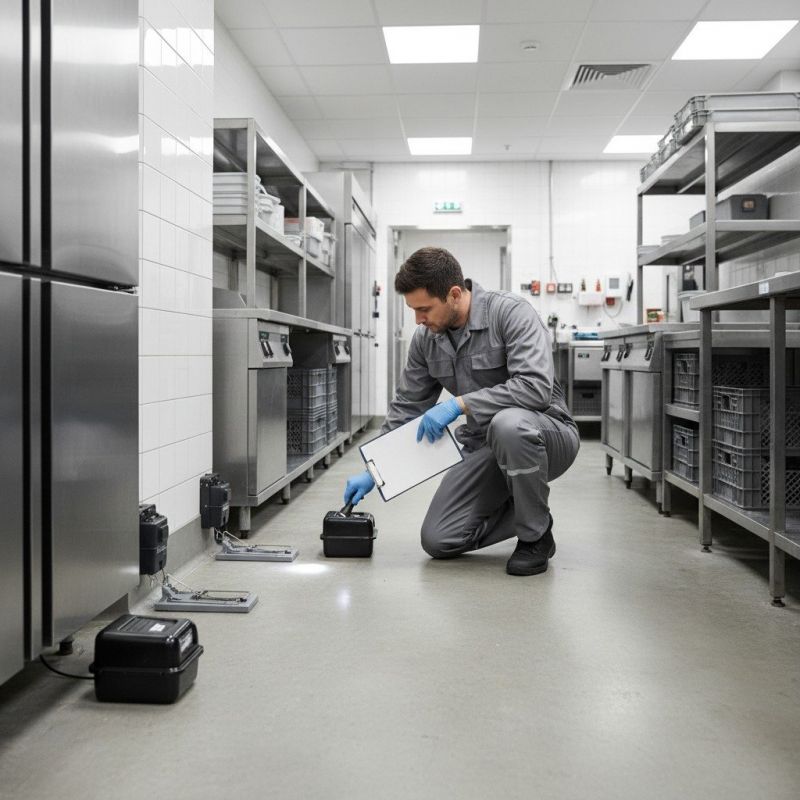
When evaluating service providers for commercial small animal control, it is important to consider their experience with similar projects. A contractor with a proven track record in handling small animal issues in commercial settings can demonstrate familiarity with the unique challenges and requirements of such environments. Asking for examples of past work or references related to comparable projects can help gauge their expertise and ability to deliver effective solutions. This insight ensures that the chosen professional understands the scope and complexity of commercial animal control, reducing the risk of overlooked issues or incomplete work.
Clear, written expectations are essential when comparing local contractors for small animal control services. A reputable service provider should be able to outline their approach, the steps involved, and the types of methods they plan to use. Having these details documented helps prevent misunderstandings and provides a framework for evaluating the quality and thoroughness of their work. Well-defined expectations also make it easier to compare different contractors objectively, ensuring that the chosen professional aligns with the specific needs of the commercial property.
Good communication and reputable references are key factors in selecting a qualified service provider. Contractors who communicate clearly and promptly can help clarify project details, answer questions, and provide updates throughout the process. Additionally, references from previous clients-especially those with similar commercial projects-can offer valuable insights into the contractor’s reliability, professionalism, and effectiveness. Prioritizing these qualities ensures that the selected local pros are capable of managing the complexities of commercial small animal control and can deliver a service experience that meets the expectations of property owners.
Property owners often search for why commercial small animal control requires professional expertise when they are planning practical projects around their homes and businesses. Local pros provide Commercial Small Animal Control services for everyday jobs and straightforward project options.
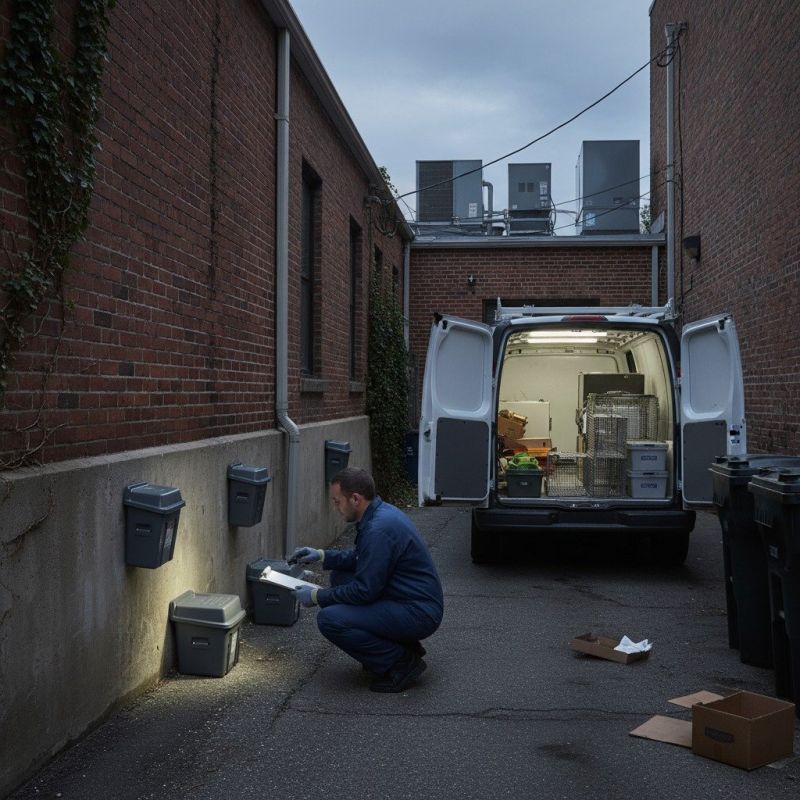
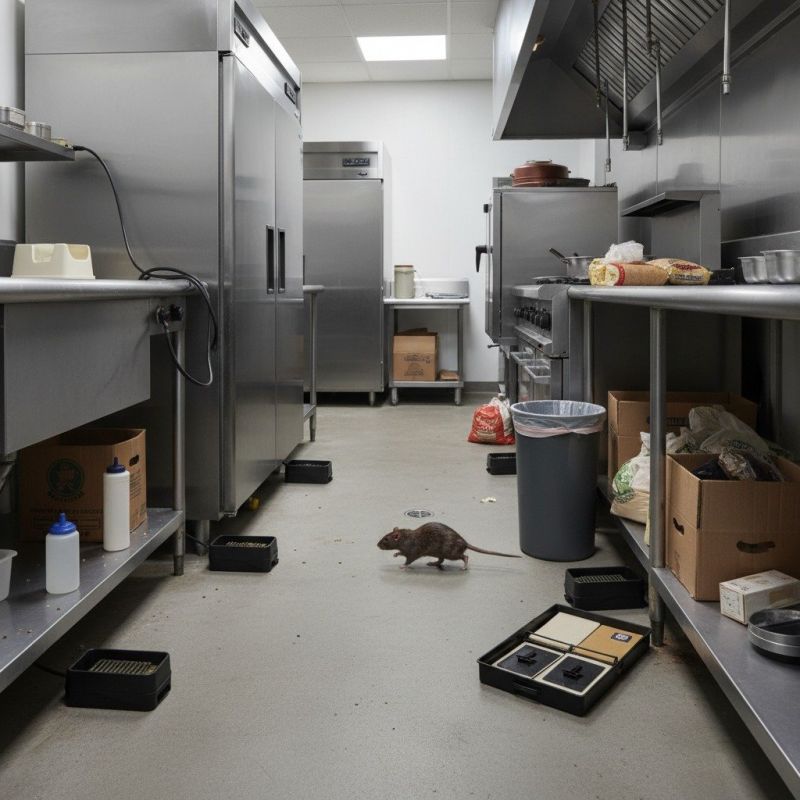
When managing commercial properties, encountering small animals such as rodents, raccoons, or other wildlife can quickly become a complex issue that requires specialized attention. Property owners often find that simple deterrents or DIY methods are insufficient for effectively addressing these infestations, especially when animals have established nests or access points. In such situations, experienced service providers understand the importance of a comprehensive approach that not only removes the animals but also prevents future issues, ensuring the safety and integrity of the property.
Professional expertise in commercial small animal control is essential because these situations often involve more than just trapping animals. Local contractors are equipped to identify underlying entry points, assess the extent of the problem, and implement targeted solutions that meet the specific needs of a business or commercial space. Relying on trained service providers helps property owners navigate the complexities of animal behavior, property damage, and potential health concerns, making it a practical choice for maintaining a safe and secure environment.
Why is professional expertise important for commercial small animal control? Commercial small animal control involves complex techniques and knowledge that ensure effective and humane removal, which local service providers are equipped to handle properly.
What risks are associated with DIY small animal control in commercial settings? Without proper expertise, there is a higher chance of incomplete removal, property damage, or safety hazards for occupants and workers.
How do local contractors ensure the safety of a commercial property during small animal control? Experienced service providers use proven methods and safety protocols to minimize risks and prevent property damage during the removal process.
Why might untrained individuals struggle with effective small animal control in commercial environments? They may lack the specialized knowledge needed to identify animal entry points, signs of infestation, or appropriate removal techniques, leading to ineffective results.
How can professional small animal control services help prevent future infestations? Skilled service providers can identify vulnerabilities and implement exclusion measures, reducing the likelihood of animals returning and ensuring long-term control.
Understanding wildlife behavior - local contractors have the expertise to identify how small animals interact with property features, enabling targeted control strategies for effective results.
Implementing safe exclusion methods - professionals know how to use specialized techniques to seal entry points without causing harm, preventing future infestations.
Handling humane removal procedures - experienced service providers can safely and ethically remove animals, reducing stress for both property owners and the animals.
Preventing property damage - experts can assess potential vulnerabilities and recommend repairs or modifications to keep small animals out long-term.
If you are thinking about why commercial small animal control requires professional expertise for a property, this guide is meant to help you understand this topic, the typical project types, and how different options might fit your plans.
When you are ready, you can use the quote form on this page to share a few details about your project. From there, local pros can review the basics and follow up with options that match what you have in mind.